



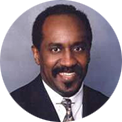







Henry Winkler, Pilgrims and Thanksgiving
Dr. Glenn Mollette
Henry Winkler recently was interviewed by Tom Llamas of NBC nightly news. In that interview Winkler said his two words are, “Tenacity and gratitude. Tenacity takes you where you want to go and gratitude make the journey more comfortable, more palatable to travel.” The segment also covered his parents fleeing Nazi Germany in 1939, his dyslexia diagnosis at 31, and why he keeps writing children’s books. He is 81 years old now. You may remember him as the Fonz from the television series, “Happy Days”.
As we approach Thanksgiving we should ponder a bit on Winkler’s words, tenacity and gratitude. We can think back to the early pilgrims. It was either tenacity or simply giving up. The new world was harsh with no conveniences. The Mayflower landed in 1620 with about 102 passengers. The first winter killed nearly half of them-disease, hunger, and the cold did most of the damage. They arrived in November with no shelter built, so they lived on the ship for months while building homes in freezing weather. Food ran short, and they were dependent on the Wampanoag people, especially Squanto, who taught them how to plant corn and fish. Without that help, the colony probably wouldn’t have survived into spring.
In the fall of 1621, Governor William Bradford declared a three day feast to celebrate the harvest and the colony’s survival. About 50 pilgrims sat down with roughly 90 Wampanoag native Americans. They ate venison, wild fowl, corn, and shellfish. There was no mashed potatoes or pumpkin pie, those came much later. It wasn’t called Thanksgiving at the time; that label came decades later.
Sarah Josepha Hale, a magazine editor, campaigned to make Thanksgiving a national holiday. She wrote Lincoln about it during the Civil War, partly hoping a shared feast might help reunite the country.
Lincoln issued the proclamation in October 1863, setting the last Thursday of November as the day. His secretary, John Nicolay, drafted most of the text, drawing on Hale’s language. She had been petitioning since 1849 – Taylor, Fillmore, Pierce, Buchanan, all turned her down. Lincoln was the first to say yes, and historians think the timing mattered: mid- Civil War, Gettysburg had just happened that July, and a unifying national ritual had real political appeal. The proclamation didn’t mention food or family or Pilgrims at all. It was framed as gratitude for military victories and for the country’s endurance
The cozy version we know came later, through Norman Rockwell and decades of magazine covers that shaped how we celebrate the day.
Still, it is important for us to remember the tenacity of those who came before us and that they stopped to give thanks.
Global Media | P.O. Box 1238 | Newburgh, IN 47629 US
